Plumbing installation is a critical aspect of any construction or renovation project, especially in a city like Minneapolis where the climate can present unique challenges. Whether you are installing plumbing for a new home, renovating an existing space, or tackling commercial projects, mistakes can lead to costly repairs and significant delays. Understanding common pitfalls and how to avoid them is essential for ensuring a smooth plumbing installation process.
Understanding Minneapolis Plumbing Codes and Regulations
Before diving into any plumbing project, familiarize yourself with local codes and regulations. Minneapolis has specific plumbing codes that ensure installations meet safety standards and function effectively. Ignoring these regulations can lead to fines, delays, and potentially unsafe conditions.
For instance, certain materials may be prohibited in residential plumbing due to health concerns. Additionally, the city mandates permits for various types of plumbing work. Always check with the City's Department of Inspections Services or review their online resources to stay informed about the latest requirements.
Selecting the Right Materials
Choosing appropriate materials is crucial for a successful installation. In many cases, homeowners opt for cheaper alternatives to save money upfront. While this may seem like a smart choice initially, lower-quality materials often result in more problems down the line.
For example, using inferior piping can lead to leaks or corrosion over time, necessitating premature replacements. Instead of skimping on materials, consider investing in higher-quality options that will withstand the test of time and harsh Minnesota winters. Copper pipes are known for their durability and resistance to corrosion, making them a popular choice despite their higher initial cost.
The Importance of Professional Expertise
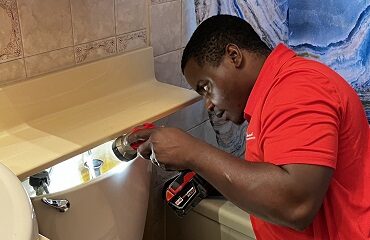
While DIY projects might be tempting for cost-saving reasons, plumbing installations are best left to professionals. Hiring experienced plumbers not only ensures adherence to local codes but also brings expertise that can prevent mistakes that untrained individuals might overlook.
Professional plumbers understand the nuances of system design and installation techniques that optimize functionality and longevity. They can identify potential issues early on — such as improper drainage slope or inadequate venting — which could lead to significant problems if not addressed during installation.
Planning Your System Layout
A well-planned layout is essential for efficient plumbing installation. Before beginning your project, take time to develop a comprehensive plan detailing pipe runs, fixture locations, and connection Look at this website points. This blueprint will serve as both a guide during installation and a reference for future maintenance.
Consider factors such as accessibility for repairs and routine maintenance when designing your layout. For instance, placing shut-off valves in easily accessible locations will make it simpler to respond quickly in case of an emergency leak.
Common Installation Errors
Several errors frequently occur during plumbing installations that can lead to costly repairs:
Improper Slope: Drainage pipes must have an appropriate slope to facilitate water flow. If they are too flat or sloped incorrectly, it can cause clogs or backups. Poor Ventilation: Adequate venting is essential for proper drainage; without it, sewer gases can enter living spaces. Neglecting Future Access: Installing fixtures or pipes without considering future access points can complicate repairs later. Using Incompatible Materials: Mismatched materials can create weak points in your system leading to leaks. Skipping Insulation: In colder climates like Minnesota’s, failing to insulate pipes properly can result in freezing during winter months.By being aware of these common mistakes upfront and planning accordingly, you can save yourself from significant headaches later on.
Emergency Plumbing Considerations
During installations or renovations, it’s prudent to consider emergency scenarios that could arise from your plumbing setup. This involves preparing for pipe bursts or severe leaks by having emergency plumbing contacts readily available.
In Minneapolis specifically, having access to same-day plumbing installation plumbing repair services is beneficial during extreme weather conditions when pipes are at risk of freezing or bursting due to temperature fluctuations.
Troubleshooting After Installation
Once your plumbing system is installed, ongoing maintenance becomes critical for ensuring its longevity and functionality. Familiarize yourself with basic troubleshooting steps should issues arise post-installation:
- Monitor water pressure regularly; fluctuations may indicate underlying problems. Check fixtures periodically for leaks; even minor drips should be addressed promptly. Understand how your toilet operates so you can identify any irregularities quickly.
By being proactive about maintenance and troubleshooting early signs of trouble, you reduce the likelihood of facing larger issues down the road.
Final Thoughts on Successful Plumbing Installation
Investing time into understanding the intricacies of plumbing installation pays off significantly in avoiding costly mistakes down the line. From understanding local codes and selecting quality materials to enlisting professional help and planning layouts thoughtfully — each step contributes toward building a reliable plumbing system tailored for both immediate needs and long-term performance.
As you embark on your project in Minneapolis—whether residential or commercial—keep these insights at hand not only as guidelines but also as reminders of what makes successful plumbing work possible amid our unique climate challenges. With careful planning and execution combined with professional expertise at every stage of the process ensures your investment yields reliable functionality year after year.